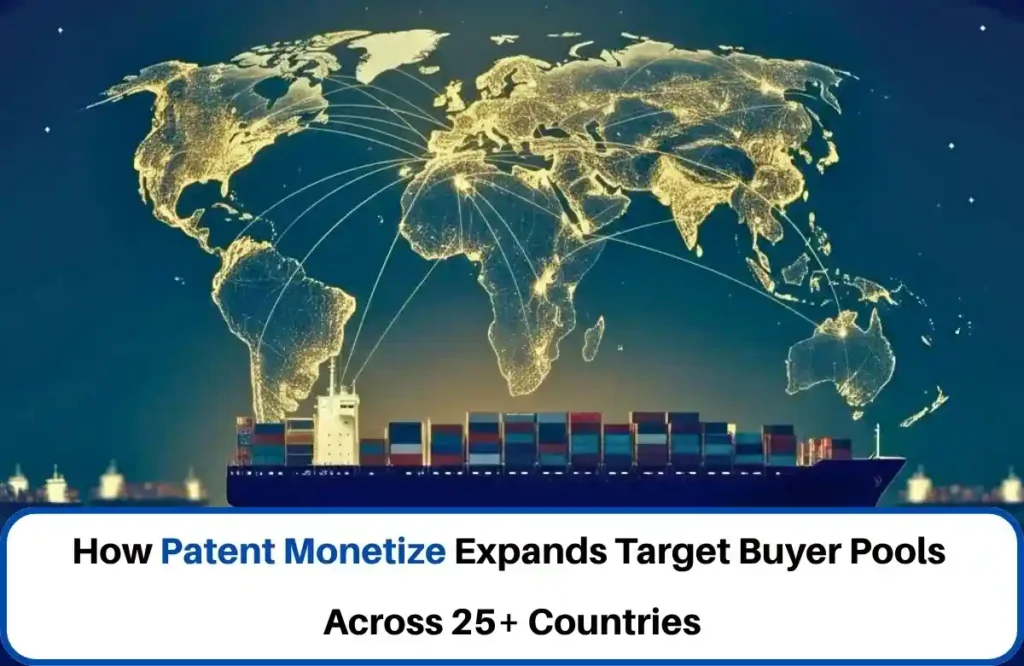
Securing a granted patent is a major milestone for any inventor, startup, or enterprise. But prosecution is only the first step. The real challenge? Extracting the actual financial liquid value from that proprietary asset. Historically, intellectual property (IP) has faced a severe liquidity and isolation problem. A patent holder in one jurisdiction may own the exact claims an overseas manufacturer needs. Yet, without a direct channel, that asset remains unmonetized.
Traditional boutique brokerages operate with significant limitations. They rely on local networks, employ opaque valuation metrics, and demand steep upfront retainers. This fragmented system leaves valuable utility patents dormant. Instead of generating revenue, they accumulate maintenance fees. It’s a costly drain. To convert these technical disclosures into capital, the modern knowledge economy requires a borderless transactional network. That’s where we come in. By operating as a centralized digital marketplace and advisory clearinghouse, Patent Monetize resolves this operational friction. We expand assignee target pools across 25+ countries to match patent owners directly with international assignees, licensees, and institutional investors.
Breaking Down Geographical Barriers in IP Asset Disposal
Relying solely on your domestic market caps an asset’s valuation. It’s that simple. Industrial cycles, shifting regulatory compliance mandates, and technological needs vary by territory. For example, a clean-tech patent might find a stagnant market at home but command a premium in a jurisdiction heavily subsidizing green infrastructure.
Cross-border visibility changes the entire economic outlook for a seller. Our digital infrastructure allows a patent monetization platform to expose a single asset class to multiple highly competitive legal and corporate environments at the same time. This eliminates localized market blind spots. As a result, individual proprietors and corporate entities can present their claim sets directly to principal decision-makers in global tech hubs. This international access builds a diversified pool of interest. And a broader pool means healthier bidding. When foreign corporations, private equity funds, and multinational manufacturers compete within a unified network, you finally establish the true market value of the underlying asset.
Read More: Nokia Lenovo cross-license agreement to Drive Tech Innovation
Merging Digital Infrastructure with Expert Legal and Technical Advisory
A successful closing requires more than uploading a patent publication number to an online registry. IP assets are legally complex instruments. Because of this, sophisticated cross-border buyers won’t acquire or license an asset without absolute technical clarity and a verifiable chain of title. Raw data must become a transparent commercial opportunity.
How do we bridge that gap? We combine algorithmic matching with hands-on technical consultation. To secure the trust of multi-jurisdictional buyers, listings must feature strict portfolio analysis. This means realistic asset valuations, targeted market reports, and precise Evidence of Use (EoU) charts mapping patent claims to competing products. Providing these legal and analytical frameworks upfront removes the friction of international deals. Foreign buyers can review technical dossiers, verify claim validity, and assess freedom-to-operate (FTO) parameters clearly. They don’t have to parse conflicting regional legal systems on their own.
Shifting From Static Claims to Active Global Revenue Streams
Broadening your buyer pool expands your operational and legal options. Protecting an invention inside a single territory isn’t your only path to monetization. Instead, you can choose the precise transactional framework that fits your corporate strategy:
- Direct Assignation (Outright Sale): A complete transfer of all right, title, and interest in a patent or portfolio to an international buyer equipped to scale the technology immediately.
- Structured Multi-Jurisdictional Licensing: Securing recurring royalty streams across foreign markets while retaining foundational title. This allows you to extract revenue from distinct geographic territories without relinquishing your underlying asset.
- Strategic Commercialization Joint Ventures: Partnering with regional manufacturers or well-funded entities in growing economies to commercialize the asset directly.
Ultimately, profitable patent commercialization requires moving past outdated, localized broker networks. By utilizing a centralized platform that unifies legal precision, technical marketing, and global reach, modern innovators can confidently engage international markets. It’s time to turn your technical disclosures into liquid business capital and capture the true global value of your intellectual property.
Read More: Patent Monetize: Helping Innovators Unlock the Full Value of Patents
Recent Post
-
 Hassle-Free Closures: How Patent Monetize Manages Everything from Listing to Legal Closure
 -
 Types of Patent Licensing: Exclusive, Non-Exclusive, and Sole Licenses Explained
 -
 How Patent Monetize Helps International Tech Owners Capture Massive Consumer Bases
 -
 Fighting SEP Abuse: Why Lenovo Partnered with Save Our Standards Coalition in 2026
 -
 Asus and Nokia End Video Coding Litigation with Global Patent Licensing Deal