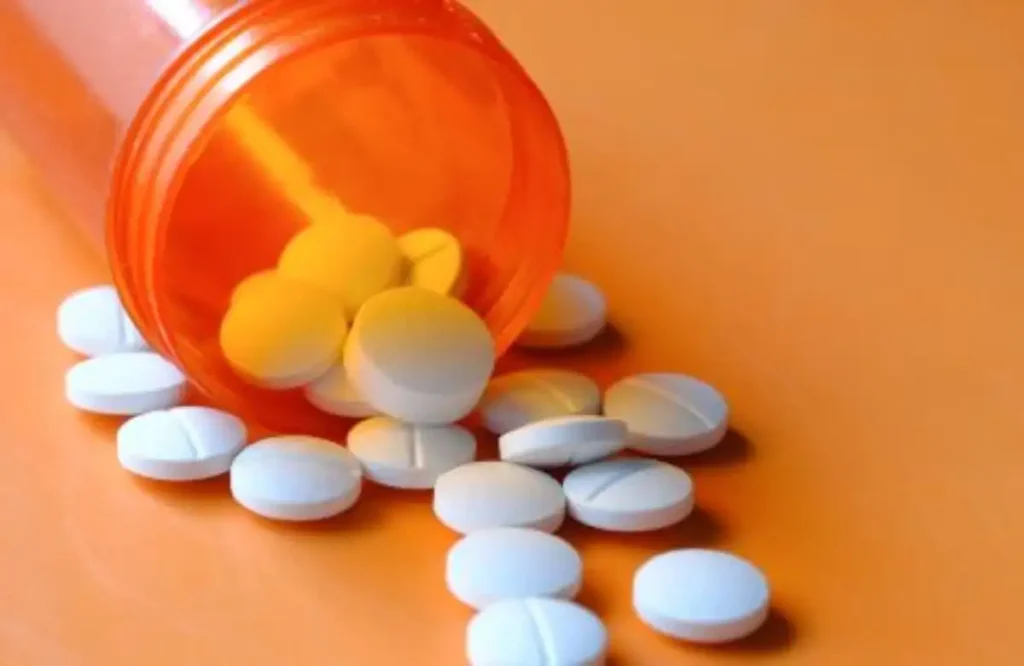
Swiss pharmaceutical giant Roche and the UN-backed Medicines Patent Pool have just locked in a voluntary licensing deal that could change the game for global flu treatment. The main goal here is to ramp up the manufacturing and supply of baloxavir marboxil, a highly effective, single-dose antiviral for influenza. By opening up the intellectual property, this agreement aims to bring affordable versions of the treatment to 129 low- and middle-income countries, helping local healthcare systems protect themselves against both yearly flu seasons and potential future pandemics.
The Structural Framework of the Roche Influenza Drug Voluntary Licensing Agreement
Looking at the legal specifics, the contract grants a non-exclusive, voluntary license from Roche to the Medicines Patent Pool. Essentially, this creates a framework where qualified generic drug makers anywhere in the world can step in to develop, manufacture, and distribute generic versions of the crucial Roche Influenza Drug. It targets 129 developing nations that have historically been left behind due to high prices and tough distribution logistics when it comes to advanced antivirals.
By using a patent pool, the deal neatly works around the usual exclusivity rules that keep proprietary drugs under lock and key. The license is explicitly set up to invite competition from third-party generic manufacturers, which naturally pulls down market prices. It is a smart intellectual property strategy that allows public health systems in lower-resource regions to stock up on the medication without draining their budgets.
Read More: Navigating the 2026 Chip Shift: How Patent Monetize Facilitates Strategic Semiconductor Licensing
Promoting Pandemic Preparedness and Global Distribution of the Roche Influenza Drug
This partnership is about more than just managing the standard, year-to-year flu strains. A major piece of the contract involves built-in contingency clauses designed for international pandemic readiness. If a global respiratory crisis hits or an official flu pandemic is declared, the agreement forces direct cooperation to tear down supply bottlenecks and geographic trade barriers right away.
The contract even states that any normal royalty fees can be paused or dropped entirely during a certified public health emergency. This means generic production lines for the Roche Influenza Drug can scale up instantly, without companies worrying about patent lawsuits or soaring overhead costs. Spreading out manufacturing across different developing regions keeps everyone from relying on a few centralized supply chains, making the global response a lot faster when demand suddenly spikes.
Technical Documentation and Regulatory Support for the Roche Influenza Drug Sublicensees
To get things moving, the Medicines Patent Pool has already started looking for capable generic partners. To make sure these generic alternatives match the original branded drug perfectly in quality and effect, Roche is providing full technical and regulatory support to chosen manufacturers. This includes handing over a complete data package that Roche originally used for its own regulatory approvals.
Roche is also supplying physical reference samples so generic makers can run their mandatory bioequivalence tests without delay. On top of that, the Swiss pharma company will issue regulatory waivers to cut through local red tape and speed up approvals in destination countries. While the generic companies still have to run their own factories and follow local laws, sharing this data directly shaves months, if not years, off the time it takes to get these generic versions of the Roche Influenza Drug to patients.
Read More: Navigating the 2026 Chip Shift: How Patent Monetize Facilitates Strategic Semiconductor Licensing
Broad Public Health Implications of the Roche Influenza Drug Availability Expansion
Health authorities like the World Health Organization rank baloxavir marboxil as a major tool against the flu because it stops the virus from replicating early on. Unlike older treatments that require taking pills over several days, this single-dose therapy shortens the sickness window and quickly reduces how long a patient stays contagious. It also works well against certain flu strains that have already built-up resistance to older medications.
By opening up the legal rights to this molecule, the deal between a massive corporate innovator and a public health organization shows how international health law can evolve. It proves that patent protection and global health equity do not have to be at odds. In the end, making the Roche Influenza Drug widely available is a practical defense that will keep people out of the hospital and save lives all over the world.
Read More : Why Patent Commercialization Matters More Than Patent Filing in 2026
Recent Post
-
 Can Listing a Product Online Amount to Patent Infringement? Delhi High Court’s Ruxolitinib Decision Explained
 -
 Europe Moves to Strengthen IP Valuation: Why Patent Valuation Is Becoming a Strategic Priority
 -
 188 Patents, One Licensing Strategy: How Patent Portfolios Are Being Built for Commercialization?
 -
 AWS’s $1 Billion + IP Licensing Deal: Why Companies License Technology Instead of Building Everything In-House
 -
 Huawei Signs Multi-Year Patent License Deal with Qualcomm Covering AI & 5G, Expected to Push Licensing Value Past $6.9 Billion