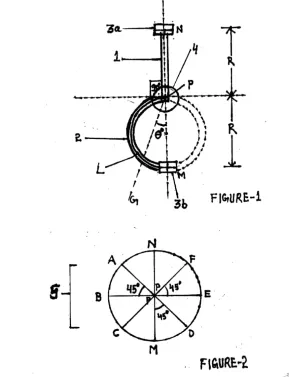
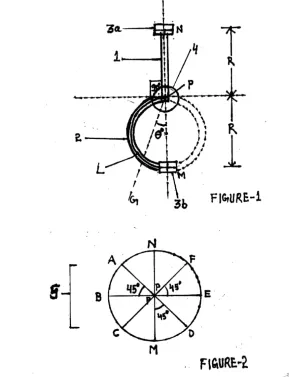
The Invention: This invention (Patent No. 436717) is a new type of pedal arm for bicycles. Instead of two normal straight arms, one of the sides uses a curved, semi-circular arm made of a lighter material to make sure that both arms or pedals are still of equal weight to maintain balance.
The Problem it Solves: Normal bikes waste your energy at the very top and bottom of the pedal stroke (the "dead spots") where pushing down does almost nothing.
How it Works: The curved shape changes the timing of your push. It moves the effort away from those dead spots and gives you extra power exactly in the "efficient zone" when you push down.
The Main Benefits:
- Easier Riding: You get more forward movement for the same amount of effort.
- Less Tired Legs: It reduces fatigue for everyday commuters.
- Better E-Bikes: Because the human is pedaling more efficiently, the electric motor doesn't have to work as hard, which saves battery life.
The "Dead Spot" Problem: On a normal bicycle, there are mechanical "dead spots" when the pedals are at the very top and very bottom of the rotation. If you push straight down when a pedal is at the top, the bike does not move forward because you have zero leverage.
Wasted Energy Problem: Because of these dead spots, human power is not continuous. A large portion of the rider's pushing effort is wasted simply trying to get the pedal through these weak zones and into a position where they can actually push efficiently.
The Final Result (The Pain Point):
- For everyday riders: This wasted effort causes the legs to get tired much faster, making it harder to pedal uphill or start from a complete stop.
- For electric bikes (E-bikes): Because the human rider is losing efficiency in the dead spots, the electric motor has to work harder to compensate, which drains the battery much faster.
The Solution: The Asymmetrical Pedal Mechanism
This invention solves the problem of wasted energy by changing the physical shape of the bicycle's pedal arms.
How It Solves the Problem:
- The Asymmetrical Design: Instead of two basic straight arms, this design pairs one standard arm with a specialized, lightweight curved arm.
- The Gravity Shift: This curved shape physically moves the center of gravity forward, creating a natural, built-in momentum before the rider even applies full pressure.
- Power Boost: It acts as a mechanical amplifier. It automatically lines up the bike's maximum leverage perfectly with the rider's downward step. It takes your normal downward push and turns it into extra forward power helping generate more power with the same amount of effort.
The Real-World Result:
- Easier Pedaling: Every push feels smoother and takes noticeably less effort.
- Less Fatigue: Your legs don't get tired as quickly, making uphill or stop-and-go riding much easier.
- Longer E-Bike Range: Because the human is pedaling more efficiently, the electric motor doesn't have to work as hard, which saves the battery.
The Gap in Current Technology (Standard Bikes): For decades, bicycles have used two identical, straight pedal arms. The major gap is that a straight arm offers the exact same mechanical leverage all the way around the pedal circle. This standard design completely ignores the fact that human legs are strongest in one specific direction: the straight downward push. Because of this, standard straight arms fail to capture and maximize the rider's natural leg strength.
How This Invention Fills the Gap: This invention fills the gap by using a new, asymmetrical shape (one straight arm and one curved arm) to physically match the bike to the human body.
- Better Leverage, No Extra Parts: In the past, companies tried to get more power by adding heavy, complicated gears. This invention fills the gap simply by changing the physical shape of the pedal arm itself.
- A Natural Power Boost: By using a curved shape to shift the center of gravity, the arm is perfectly positioned to give the rider maximum mechanical leverage exactly during their downward step.
- The Final Result: It solves the biggest gap in modern bicycle design by finally giving riders more forward power for the exact same amount of physical effort.
Unique Features of the Mechanism:
Asymmetrical Design: Unlike every standard bicycle on the market, this mechanism pairs one traditional straight arm with a specially designed curved arm made of a lighter material.
Shifted Center of Gravity: The curved shape physically moves the center of mass forward. This creates natural, built-in momentum before the rider even applies full pressure.
Maximum Leverage Alignment: The shape automatically positions the pedal to give the rider the highest possible mechanical advantage exactly during their strongest downward push.
Zero Extra Moving Parts: It provides a massive power boost purely through its physical shape. There are no complex internal gears to break, no extra maintenance required, and no heavy motors added to the bike.
Perfectly Balanced: The curved arm is manufactured using advanced, lightweight materials. This ensures the bike gets the geometric power upgrade without adding unwanted weight or wobbling.