OUR SOLUTIONS / PATENT EVIDENCE & TECHNICAL MAPPING

Patent Claim Charts
& Evidence of Use

Connect patent claims to product evidence with clarity and technical depth.

Patent Monetize prepares detailed patent claim charts and Evidence of Use analyses for corporate IP teams, patent owners, licensing professionals, and law firms managing complex patent matters.

Corporate IP teams · Patent owners · Law firms
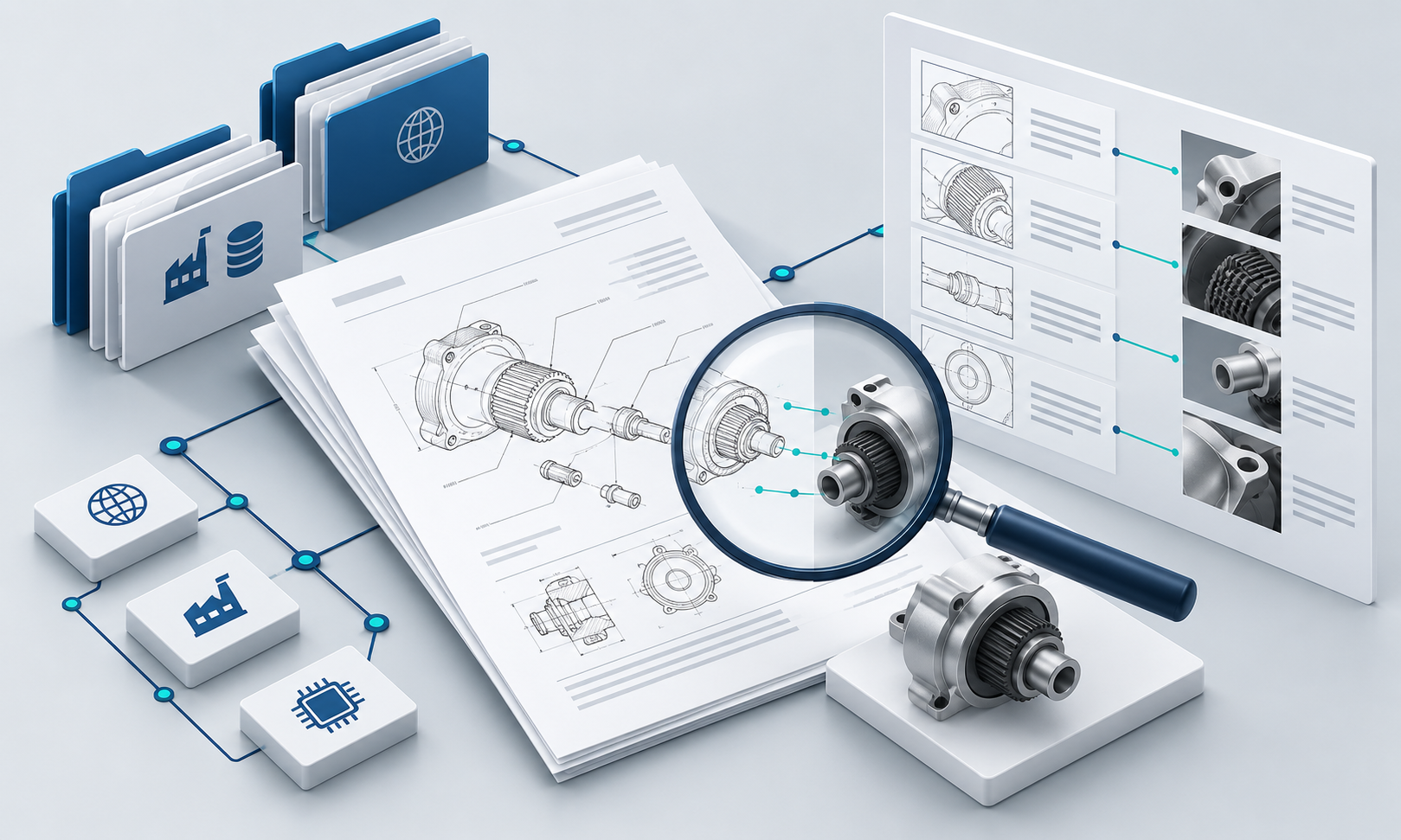
AI illustration comparing patent drawings with product features and supporting evidence
CLAIM LANGUAGE / IMPLEMENTATION / EVIDENCEEvery limitation. Traceable evidence.
UNDERSTAND THE SOLUTION

What Are Patent Claim Charts & Evidence of Use?

Our solution connects the language of selected patent claims to the technical features, components, processes, and operating behaviour of identified products or technologies. Each mapping explains the technical relationship, identifies supporting evidence, and records assumptions, alternative interpretations, and unresolved questions.

From an initial licensing assessment to a detailed investigation supporting litigation, we structure the analysis around your objectives, relevant jurisdictions, and counsel’s requirements.

Patent claim charts: a structured comparison of claims and technology

A patent claim chart breaks a patent claim into individual limitations and compares each limitation with a specific product, system, process, or technical implementation.

The chart explains what the claim requires, where the corresponding feature is identified, how that feature operates, and which evidence supports the comparison. For dependent claims, the analysis includes the limitations inherited from the claims on which they depend.

This structure helps reviewers examine the complete claim, understand the reasoning behind each mapping, and identify where further investigation is required.

Evidence of Use: the factual foundation for the mapping

Evidence of Use is the supporting technical material indicating that an identified product or process implements features relevant to a patent claim.

Depending on the matter, this may include technical documentation, product observations, standards references, test results, teardown findings, software behaviour, or confidential information supplied through an authorised review process.

A useful Evidence of Use analysis explains what each source establishes, which claim limitation it supports, and what it leaves unresolved.

BUILT AROUND YOUR MATTER

A Solution Built Around Your Matter

We tailor the depth, format, and investigation plan to the intended use:

Corporate IP teams

evaluate patent coverage, identify licensing opportunities, and prioritise further investigation.

Law firms

develop detailed technical mapping, organise evidence, and support counsel-led enforcement or defence work.

Patent owners and licensing teams

prepare clear, evidence-backed explanations for discussions with potential licensees.

Acquisition and investment teams

assess whether selected patents have identifiable relevance to commercial technologies.

Research institutions and technology businesses

examine how patented inventions relate to products, platforms, or industry implementations.

A preliminary assessment and a litigation-support chart require different levels of investigation. We agree on that distinction at the outset.

DETAILED SOLUTION SCOPE

What We Map in a Detailed Patent Claim Chart

1. Every selected claim limitation

We separate the claim into reviewable limitations while preserving its language, structure, and relationships.

The analysis can address:

  • Components, structures, and materials.
  • Functional requirements and operating conditions.
  • Method steps and the relationships between them.
  • Inputs, outputs, and data transformations.
  • Connections, interfaces, and communication pathways.
  • Numerical ranges, thresholds, and technical parameters.
  • Spatial, temporal, and causal relationships.
  • Limitations introduced by dependent claims.

Features that are difficult to observe receive explicit attention rather than being assumed present.

2. Specific products and configurations

We identify the implementation being analysed as precisely as the available information permits.

This may include the manufacturer, product name, model number, hardware revision, software or firmware version, release date, geographic market, and tested configuration.

Where products share a common architecture, we explain the basis for using representative evidence and record any differences requiring separate analysis.

3. Physical components and system architecture

For hardware and integrated systems, mapping may cover:

  • Assemblies, subassemblies, and component interactions.
  • Sensors, controllers, processors, and communication modules.
  • Mechanical arrangements and electrical connections.
  • Circuit layouts, interfaces, and signal pathways.
  • Materials, layers, structures, and manufacturing characteristics.
  • Relationships between a device and external equipment.

Annotated diagrams and photographs can help reviewers follow the technical correspondence.

4. Methods and operational sequences

For method claims, we analyse the relevant sequence of operations, including triggering conditions, participating components, intermediate steps, and resulting outputs.

Where several entities or systems participate, we distinguish their technical roles. Questions concerning legal responsibility for those activities are addressed with counsel.

5. Software, platforms, and digital workflows

Software-related mapping may examine:

  • Application workflows and system functions.
  • Data collection, processing, storage, and retrieval.
  • Client–server interactions.
  • API requests and responses.
  • Network communications and protocol behaviour.
  • Authentication, security, and access-control mechanisms.
  • Algorithms and decision logic where evidence is available.
  • Source code or architecture documents supplied through authorised access.

An observed result does not automatically establish the internal mechanism that produced it. The chart records that distinction.

6. Manufacturing processes and material characteristics

Where relevant, we investigate process stages, operating parameters, equipment functions, compositions, and measurable product characteristics.

If an internal manufacturing process cannot be established from public information or product testing, we identify the missing evidence and propose a focused investigation.

7. Standards and technical specifications

For standards-related matters, we can map claim limitations to relevant specification clauses and separately investigate implementation by identified products.

The analysis distinguishes mandatory requirements, optional features, alternative implementations, and version-specific provisions.

A mapping to a standard and a mapping to a commercial product are presented as separate evidentiary questions.

CHART TYPES

Types of Patent Claim Charts We Can Prepare

Preliminary Evidence of Use charts

Focused charts based on accessible information to assess whether a patent–product pairing merits deeper investigation. These identify promising mappings, weak points, and likely investigation costs.

Detailed product and process claim charts

Comprehensive limitation-by-limitation comparisons supported by technical explanations, precise citations, annotated exhibits, and recorded evidence gaps.

Licensing and negotiation charts

Charts organised to explain the relationship between selected claims and commercial technologies clearly during licensing discussions, with a separate technical appendix where needed.

Litigation-support claim charts

Detailed technical work product prepared around counsel’s selected claims, proposed or adopted constructions, identified products, and case requirements.

The format can be adapted to counsel’s contention templates, exhibit references, and review procedures.

Standards-mapping charts

Claim-to-specification analysis with clause references, version information, and explanations of the relevant technical requirements.

Product-to-standard implementation charts

A separate comparison assessing whether an identified product implements the standard features relevant to the patent analysis.

Comparative and response charts

Side-by-side analysis of competing mappings, disputed limitations, alternative product configurations, and technical explanations supplied by another party.

Claim-to-prior-art charts

Where included in the agreed scope, we prepare technical comparisons with identified prior-art references to support counsel’s validity analysis. These remain distinct from product Evidence of Use charts.

FROM SCOPE TO REVIEWED FINDINGS

How We Prepare the Analysis

01

Step 1: Define the objective and scope

We establish the patents, claims, target products, jurisdictions, relevant periods, intended use, and required deliverables.

We also confirm available evidence, confidentiality requirements, testing permissions, counsel involvement, and any deadlines affecting the investigation.

02

Step 2: Review the patent record

We examine the selected claim language alongside relevant portions of the specification, drawings, prosecution history, and related patent records.

This helps identify terminology, amendments, technical context, and interpretation questions requiring counsel’s direction.

Related patents may provide context, but each selected claim is analysed using its own language.

03

Step 3: Develop the claim breakdown

We create a consistent limitation structure and identify the technical evidence needed for each part of the claim.

Dependent-claim relationships, functional language, numerical requirements, and less visible internal features are recorded before mapping begins.

04

Step 4: Identify and verify the target implementation

We confirm the product or process under review and document its version, configuration, and relevant market or period.

Where evidence relates to another model or release, we assess whether it can reasonably support the selected implementation and explain any limitations.

05

Step 5: Collect and organise evidence

We build a source register linking each document, observation, or test record to the relevant product and claim limitations.

Sources are assessed for technical specificity, reliability, date, and applicability.

06

Step 6: Perform limitation-by-limitation mapping

For each limitation, we explain:

  • What the limitation requires under the working interpretation.
  • Which product feature or process step is relevant.
  • How the technical correspondence is supported.
  • Which evidence establishes that correspondence.
  • What assumptions or uncertainties remain.

A general similarity between the invention and the product is insufficient for a detailed mapping.

07

Step 7: Investigate gaps and alternative explanations

We examine unsupported limitations, inconsistent sources, different operating modes, and plausible alternative mechanisms.

Where necessary, we recommend additional testing, targeted documents, technical questions, or discovery topics for counsel’s consideration.

08

Step 8: Review and deliver

The agreed review process checks claim completeness, technical consistency, source traceability, product applicability, and alignment between the evidence and written conclusions.

We deliver the chart together with the supporting exhibits, gap analysis, and an executive summary appropriate to the intended audience.

ANALYTICAL METHODS

Analytical Methods We Use

Claim-language and technical-context analysis

We examine the wording and relationships within the claim, supported by relevant patent disclosures and prosecution materials. Interpretation issues are recorded for counsel’s review.

Documentary analysis and source corroboration

We compare technical manuals, specifications, engineering documents, and other sources to establish whether they consistently support the proposed mapping.

Broad marketing statements are treated according to what they actually demonstrate.

Architecture and functional analysis

We analyse how components interact, how information or signals move through a system, and how the implementation performs the relevant function.

Behavioural observation and controlled testing

Where appropriate, a test plan is designed around specific claim limitations. We document the test configuration, conditions, procedure, results, and interpretive limits.

Teardown and reverse engineering

Where authorised and included in scope, physical examination or specialist testing may help investigate internal structures and operation.

The approach depends on sample availability, technical feasibility, permitted access, and suitable equipment.

Software and network investigation

Authorised analysis may include observable workflows, logs, API behaviour, packet captures, configuration records, or supplied source code.

We distinguish externally observed behaviour from conclusions about internal implementation.

Alternative-interpretation analysis

Where a mapping depends on disputed terminology or uncertain technical facts, we can prepare alternative analyses showing how the result changes under different assumptions.

Counsel-directed equivalents analysis

Where requested, we develop the technical comparison needed for counsel to assess an equivalents position under the applicable legal framework.

Literal mapping and any proposed equivalents mapping are identified separately.

THE EVIDENCE FOUNDATION

Evidence Sources We May Examine

Depending on access and scope, evidence may include:

  • Product manuals, datasheets, and installation guides.
  • Engineering drawings, schematics, and architecture documents.
  • Technical white papers and developer documentation.
  • Standards, protocol specifications, and certification records.
  • Regulatory submissions and publicly available technical filings.
  • Product photographs, demonstrations, and recorded observations.
  • Test results, measurements, and teardown records.
  • Software release notes, logs, API documentation, and network traces.
  • Authorised source code and internal design materials.
  • Documents made available through counsel-managed disclosure or discovery.

A source concerning a related product, proposed design, or manufacturer’s patent is assessed for its relevance; it is not automatically treated as proof of the target product’s implementation.

INSIDE THE DELIVERABLE

What Each Detailed Chart Contains

The agreed format can include:

Information includedWhat we examine and recordWhy it matters
1. Patent and selected claimThe patent number, country, selected claim number, and whether the claim is independent or dependent. For a dependent claim, we include the requirements inherited from the claims on which it depends.Establishes exactly which patent claim is being compared with the product.
2. Exact claim limitationThe precise wording of each requirement within the selected claim. We divide the claim into manageable parts while preserving its wording and the relationships between those parts.Allows the reviewer to examine every requirement individually and check that none has been overlooked.
3. Technical meaning and interpretationWhat the limitation requires technically, considering relevant patent descriptions, drawings, and prosecution materials. Where counsel supplies a proposed or court-adopted interpretation, we record and apply it.Makes the basis of the comparison clear, particularly where terminology is disputed or open to different interpretations.
4. Identified product or processThe specific product, component, system, or process being reviewed, including its manufacturer, model, software version, configuration, and relevant market or period where available.Prevents evidence concerning one version or configuration from being applied to another without explanation.
5. Corresponding product featureThe component, function, operation, or process step that may correspond to the claim limitation. We identify its location and role within the implementation.Shows exactly which part of the product is being mapped to the claim.
6. Detailed technical explanationHow the identified feature corresponds to the limitation, including relevant structures, functions, connections, operating sequences, parameters, and conditions.Explains the reasoning behind the mapping rather than merely stating that a feature is present.
7. Supporting evidenceRelevant technical documents, diagrams, photographs, screenshots, observations, measurements, test results, or authorised internal materials. We explain what each source establishes.Gives the reviewer a factual basis for assessing the proposed correspondence.
8. Exact source referencesThe document title and version, page number, section, figure, screenshot reference, video timestamp, test-record identifier, or exhibit number.Enables counsel and technical reviewers to locate and verify the evidence efficiently.
9. Evidence strength and unresolved issuesWhether the feature is directly observed, described in documentation, supported by inference, disputed, or unresolved. We identify conflicting evidence and limitations in the available material.Helps distinguish a well-supported mapping from one requiring further investigation.
10. Assumptions and alternative explanationsAny assumptions about configuration, internal operation, terminology, or product behaviour. We also record plausible alternative implementations that could affect the mapping.Makes uncertainty visible and helps reviewers assess whether another technical explanation changes the findings.
11. Further investigation requiredThe additional documents, product samples, measurements, testing, source-code review, or technical questions needed to resolve a specific gap.Converts an incomplete mapping into a focused investigation plan.
EVIDENCE MANAGEMENT

Evidence Management and Transparency

Traceable source records

We record source origin, document version, retrieval date, relevant location, and the product or configuration to which the evidence relates.

Clear treatment of inference

Where a mapping relies on inference, we explain the reasoning, supporting facts, and competing explanations. Inference is labelled explicitly.

Version and time control

Evidence is linked to the relevant product release, software version, standard edition, or investigation period wherever possible.

Preserved originals and annotated copies

Original materials can be retained separately from annotated exhibits. Where required by the matter, the evidence-handling plan can include capture logs, file hashes, sample identifiers, and transfer records.

Controlled handling of confidential material

Access, storage, permitted use, and distribution requirements are agreed for confidential information. Counsel determines privilege arrangements and applicable protective-order obligations.

Documented limitations

The analysis states where access restrictions, unavailable samples, incomplete documentation, or inconclusive testing affect the findings.

REPORTS & DELIVERABLES

Reports and Deliverables

An engagement may include:

01

Executive assessment

principal findings, commercially relevant targets, major uncertainties, and recommended next steps.

Defined scope
02

Detailed claim charts

the complete technical mapping for the agreed claims and implementations.

Defined scope
03

Evidence of Use report

evidence sources, technical explanations, and the basis for identified use.

Defined scope
04

Annotated exhibit package

marked documents, photographs, diagrams, screenshots, and test outputs.

Defined scope
05

Evidence register

an organised index of sources, versions, citations, and related claim limitations.

Defined scope
06

Gap and investigation matrix

unresolved limitations, why they matter, and how they may be investigated.

Defined scope
07

Product and version comparison

differences across models, releases, configurations, or markets.

Defined scope
08

Testing or reverse-engineering report

methods, conditions, findings, and analytical limits.

Defined scope
09

Technical response analysis

assessment of competing charts, explanations, or newly supplied evidence.

Defined scope
10

Update package

revised charts and a change log following new evidence or counsel instructions.

Defined scope

Editable documents, spreadsheets, PDF reports, and presentation summaries can be provided according to the agreed scope.

COMMERCIAL & LEGAL APPLICATIONS

Where the Analysis Can Be Used

Licensing and monetisation

Explain the technical basis for a proposed licensing discussion, prioritise targets, and identify where further evidence would strengthen the position.

Pre-litigation investigation

Help counsel assess the factual support for selected patent–product relationships and plan additional investigation.

Infringement contentions and litigation preparation

Provide structured technical material for counsel’s preparation and review of case documents, subject to applicable procedural requirements.

Discovery planning

Identify documents, technical questions, product samples, testing, or source-code access that could resolve specific evidentiary gaps.

Expert review and technical testimony preparation

Organise the factual record for an appointed expert’s independent review and help explain the underlying technology.

Defence and response work

Examine unsupported mappings, missing limitations, configuration differences, and alternative technical explanations.

Acquisition and portfolio decisions

Assess the evidence connecting selected patents with identifiable commercial implementations.

Negotiation and dispute resolution

Present the technical issues in a form that supports informed discussions between business teams, counsel, and technical specialists.

FROM FINDINGS TO ACTION

What Happens After the Findings?

The results guide a practical next-step plan.

Where the evidence supports further action, we can help expand product coverage, investigate related implementations, strengthen exhibits, and prepare material for licensing discussions or counsel review.

Where the evidence is incomplete, we identify targeted investigation rather than treating uncertainty as a positive finding.

Where the mapping is weak or contradicted, we explain the technical reasons so your team can reconsider the target, claim selection, or proposed strategy.

Charts can be updated as products change, additional evidence becomes available, or counsel provides revised interpretations.

THE QUALITY OF YOUR ANALYSIS

Why Patent Monetize?

Complete limitation coverage

attention to the entire selected claim, including inherited limitations and technical relationships.

Evidence-backed reasoning

explanations linked to identifiable sources and observations.

Transparent findings

clear separation of documented facts, inference, assumptions, and unresolved issues.

Matter-specific depth

investigation and reporting aligned with the intended commercial or legal use.

Counsel-compatible structure

editable, organised material that supports legal-team review.

Actionable investigation plans

focused recommendations for strengthening or reassessing the technical position.

Consistent portfolio analysis

a common mapping framework across multiple patents and targets while retaining product-specific detail.

Our role is to provide rigorous technical analysis. Legal conclusions, claim construction, admissibility, and litigation strategy remain subject to counsel’s assessment and the relevant forum.

DISCUSS YOUR REQUIREMENTS

Build a Clear Technical Foundation for Your Patent Matter

Whether you are evaluating a licensing opportunity, investigating product use, or supporting a complex patent dispute, Patent Monetize can help organise the relationship between claim language, technology, and evidence.

Request a Patent Claim Chart & Evidence of Use Assessment ↗

Start with your matter

Share the patent numbers, selected claims, target products, relevant jurisdictions, and intended use. We will define the investigation scope, evidence requirements, and deliverables around your matter.