Most people think of patents one at a time. One invention, one patent, one owner. But things get more interesting when patents are grouped.
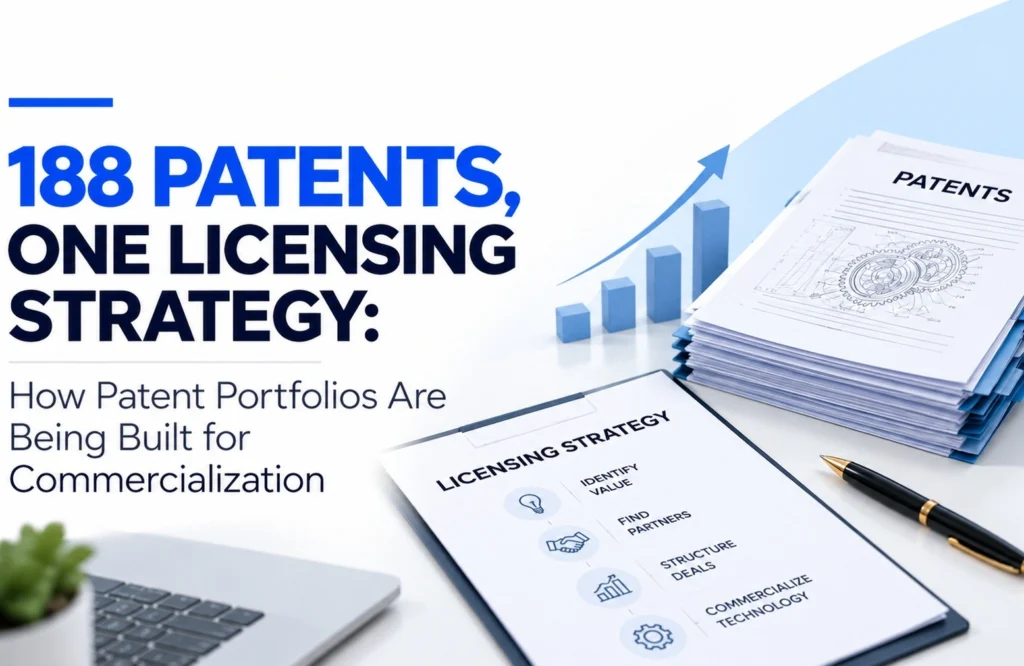
A recent deal shows how this works. According to IAM, VideoLabs received 39 patents from Texas Instruments, plus the right to license 149 more. That adds up to a 188-patent portfolio built around HEVC and VVC video technology with Streamline IP running the licensing.
So here’s the question: can a group of related patents work better than patents handled alone? Let’s look at how portfolio licensing works and what patent owners can learn from this deal.
Inside the 188-Patent Transaction
Let’s see how this deal is built. At first, 188 patents sound like one big pile owned by a single company. But that’s not quite how it works here. VideoLabs owns some of these patents outright. For the rest, it holds exclusive right to license them to others.
This structure is important because it shows how different patent rights can be brought together under a single licensing program without transferring ownership of every patent.
The important point is that the licensing program can be managed as one portfolio even though the underlying rights are structured differently.
Why Bring Patents Together Under One Technology?
When several patents relate to the same technology, they can be evaluated as part of a broader commercial strategy. Each patent may address a different technical aspect and the portfolio gives a wider view of the technology being offered.
It’s like a toolbox. One wrench is handy, but a full set lets you finish the job. For a potential licensee, understanding how related patents connect may make it easier to evaluate the technology rights relevant to a particular product or application.
It also keeps things simple. Instead of hunting down many unrelated patents, a buyer can look at one clear group. The commercial relevance of a portfolio depends on what its patents cover and how closely those rights relate to the underlying technology and potential applications.
What Makes HEVC and VVC Relevant?
HEVC and VVC are ways of shrinking video files. Smaller files are easier to send and store which is why they matter so much for streaming, phones and TVs.
These standards are used in many kinds of video products and services. When patented technology is connected to a technical standard, the relationship between the patent claims, the standard and products using that technology becomes an important part of licensing analysis.
Patent owners need to know which products or services use the standard and how their patent claims connect to those uses.
How Does Portfolio Licensing Work: Step-by-Step
Licensing a group of patents may sound complicated but it follows a few simple steps, so let’s walk through them one by one.
Step 1: Identify Related Patents
The first step is sorting. Some patents don’t fit together, so check what each one really covers. Which technology does it protect? Does it connect to a standard or an actual product?
What do its claims say? In which places does it apply, and how much time is left on it?
The goal isn’t to count patents. It’s to find the ones that truly fit together and tell one clear story about what the portfolio can do.
Step 2: Determine Ownership and Licensing Rights
Next, you check who owns what. Owning a patent and having the right to license it are two different things and a portfolio can include both.
That’s exactly what happened in the 188-patent deal. VideoLabs owns 39 patents and holds licensing rights for 149 more. So before anyone can offer a license they need to know who has the power to say yes for each patent.
Step 3: Identify Potential Licensees
Once you know what your patents cover and who controls them, it’s time to look for companies that might need them. These could be businesses whose products, services or systems use the same technology.
But a match on paper isn’t a deal. Not every company you find will become a licensee. Every company will do its own technical, legal and business review before deciding whether a license is worthwhile.
Step 4: Develop the Licensing Structure
Now it’s time to decide the terms of the license. Which patents are included? Where can the technology be used? Is the license exclusive or not? What will it cost and how will payments be tracked?
There’s no single right answer. The right setup depends on which patents are in the portfolio and who is involved in the deal.
Why Portfolio Strategy Is Important for Patent Owners?
Owning patents is a good start, but it’s only half the story. Many companies hold patents they never use in their own products. Those patents can sit on a shelf for years when they might be worth something to someone else.
A portfolio strategy can help owners identify which assets deserve closer commercial attention. Mapping the technology, legal rights and potential applications together can support more informed commercialization decisions.
This approach does not guarantee a transaction, but it can provide a clearer basis for evaluating potential licensees and commercialization opportunities.
Lessons From the 188 Patent Strategy
The headline number is less important than the technology and rights covered by the portfolio. A smaller group of closely related patents may be more relevant to a specific licensing strategy than a larger collection of unrelated assets.
Owners also need to know exactly what rights they hold. Owning a patent and holding a license to it open different doors. Then there’s relevance. A portfolio is only useful if companies actually need the technology inside it. That takes real research not just counting.
Finally, you don’t have to license one patent at a time. When patents are closely linked, offering them together can be a smarter way to start the conversation.
What Does This Mean for Patent Monetization?
Patent monetization isn’t just about selling a patent to the first buyer. There are several ways to turn IP into value, such as licensing, selling or teaming up with a partner.
The 188-patent deal shows one path. Bring related patents together around one technology, then build a licensing program around them.
But don’t think you need hundreds of patents to do this. Size isn’t the point. What matters is how your patents connect, what technology they protect and who might need it. Get those three things clear and you’re already ahead.
A Quick Checklist for Technology Owners
Before you think about licensing your patents, run through these five quick checks.
- Sort your patents into groups that go together, based on technology, use or market.
- Check who owns each patent, where it is valid and how many years it has left.
- Find the products, standards or industries that use your technology.
- Make a list of companies whose products might connect to your patents.
- Decide whether licensing, selling or another kind of deal fits your goals best.
Conclusion
The Texas Instruments and VideoLabs deal shows how patent rights can be brought together around one technology and used in a focused licensing program. VideoLabs received 39 patents and exclusive licensing rights to 149 more, creating a 188-patent HEVC and VVC portfolio.
The lesson is simple. Commercialization isn’t about how many patents you own. It’s about how they fit together, what technology they cover, who may need it and what rights you can actually offer.
If you own a patent portfolio and want to explore its commercialization potential, visit Patent Monetize to learn more about possible licensing, assignment and other commercialization routes.
Recent Post
-
 188 Patents, One Licensing Strategy: How Patent Portfolios Are Being Built for Commercialization?
-
 AWS’s $1 Billion + IP Licensing Deal: Why Companies License Technology Instead of Building Everything In-House
-
 Huawei Signs Multi-Year Patent License Deal with Qualcomm Covering AI & 5G, Expected to Push Licensing Value Past $6.9 Billion
-
 Hassle-Free Closures: How Patent Monetize Manages Everything from Listing to Legal Closure
-
 Types of Patent Licensing: Exclusive, Non-Exclusive, and Sole Licenses Explained