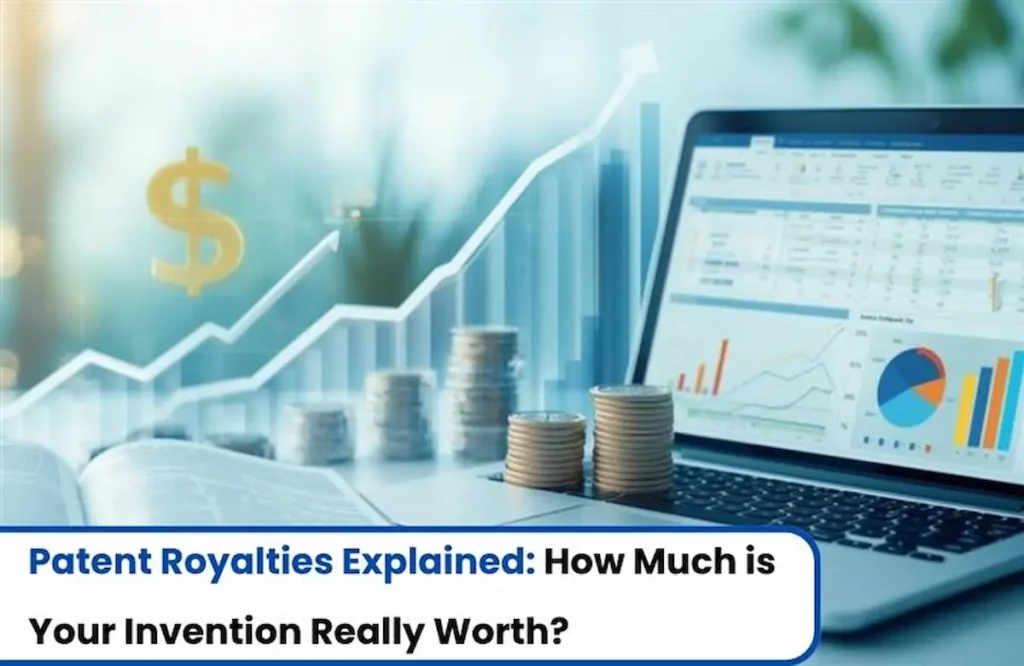
Navigating the landscape of intellectual property rights often leads to a pivotal question for any inventor: how can a creation be transformed into a sustainable financial asset? While the conceptual strength of an invention is vital, its commercial success is frequently dictated by the strategic implementation of a patent royalty. Unlike a one-time sale of intellectual property, a Patent royalty structure allows an inventor to retain ownership while participating in the long-term market success of their technology.
Understanding the Legal Framework of a Patent Royalty Arrangement
At its core, a patent royalty is a compensation structure established within a Patent licensing agreement. In this legal arrangement, the patent holder, known as the licensor, grants a third party, the licensee, the right to manufacture, use, or sell the patented invention. This grant is not a transfer of ownership but a conditional permission. The specific terms of a patent royalty are typically governed by contract law and intellectual property statutes, ensuring that the inventor receives a fair share of the economic benefits generated by the invention. Because every invention serves a different market, the specific value of these payments remains flexible and differs according to patents.
Significant Factors Influencing the Valuation of a Patent Royalty
Determining the worth of an invention requires an analysis of several market and legal variables. One of the primary drivers of a patent royalty is the “scope of the claims” within the patent document. If the claims are broad, the technology may have applications across multiple industries, potentially increasing the demand for a license. Additionally, the stage of development plays a crucial role; a fully functional, market-ready product often commands a different patent royalty than a conceptual prototype. Market exclusivity, the remaining life of the patent, and the presence of competing technologies also impact the final numbers. It is important to note that these figures are never static, as the ultimate valuation differs according to patents and their respective industrial utility.
Read Also: The Ultimate Guide to Buying and Selling a Patent: 7 Pro Tips for Success
Common Structures Used to Calculate Your Patent Royalty Payments
There are several ways to organize the financial flow of a licensing deal. The most frequent method for a patent royalty is a percentage of “net sales,” where the inventor earns a portion of the revenue after certain deductions like shipping or returns, are made. Alternatively, some agreements utilize a “fixed fee per unit,” which provides a predictable income stream regardless of the final retail price. In more complex scenarios, a patent royalty might be structured as a “lump-sum” payment or a tiered system where the percentage changes as sales volume hits specific milestones. Because the complexity of the technology and the risk assumed by the licensee vary, the exact structure and percentage differ according to patents.
Balancing Risks and Rewards in a Patent Royalty Agreement
Entering into a licensing deal involves a strategic balance between immediate gain and future potential. A well-drafted patent royalty clause protects the inventor from being undercompensated if the product becomes a massive commercial hit. However, if the product fails to gain traction, the inventor may receive very little. To mitigate this, many legal professionals suggest including “minimum guarantee” clauses. These ensure that the patent royalty does not fall below a certain threshold, providing a safety net for the licensor. As with all aspects of intellectual property, the level of risk and the resulting IP protection differ according to patents and the bargaining power of the parties involved.
Recent Post
-
 Hassle-Free Closures: How Patent Monetize Manages Everything from Listing to Legal Closure
 -
 Types of Patent Licensing: Exclusive, Non-Exclusive, and Sole Licenses Explained
 -
 How Patent Monetize Helps International Tech Owners Capture Massive Consumer Bases
 -
 Fighting SEP Abuse: Why Lenovo Partnered with Save Our Standards Coalition in 2026
 -
 Asus and Nokia End Video Coding Litigation with Global Patent Licensing Deal