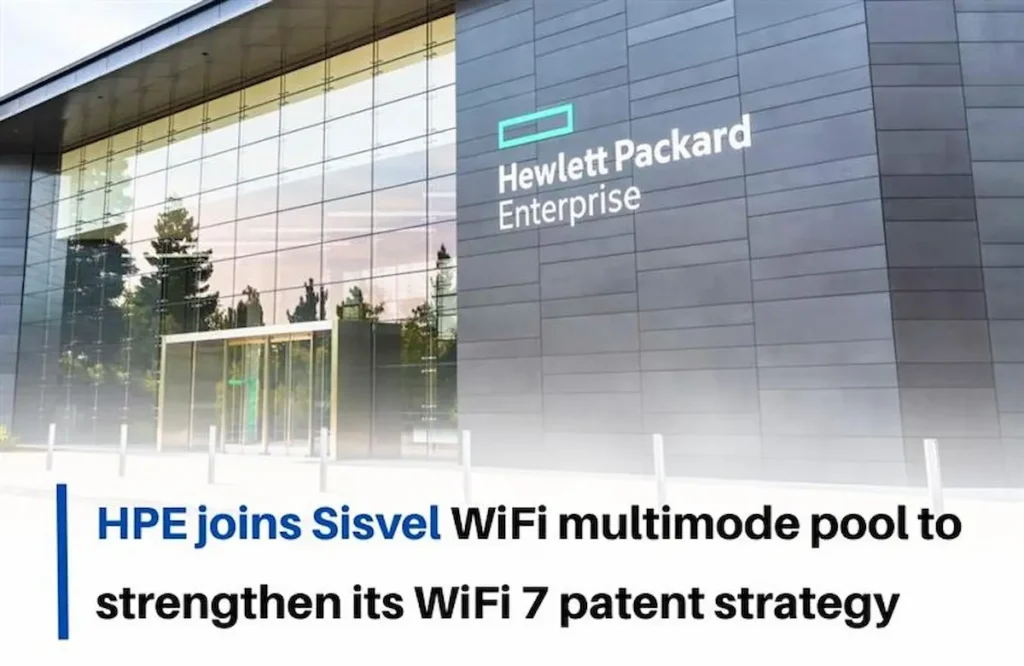
The landscape of wireless communication technology is undergoing a significant transformation as industry leaders align their intellectual property interests with global standards. Recently, Hewlett Packard Enterprise (HPE) made a strategic move by joining the Sisvel Wi-Fi Multimode Licensing Program. This decision represents a major step in the HPE Wi-Fi patent licensing deal and highlights the growing importance of securing legal clarity in the deployment of next-generation connectivity solutions. By entering this agreement, HPE ensures that its networking portfolio remains compliant with essential industry standards while mitigating the risks associated with patent litigation.
Understanding the HPE Wi-Fi patent licensing deal and its impact
The HPE Wi-Fi patent licensing deal is a comprehensive agreement that grants HPE access to a vast portfolio of standard-essential patents (SEPs). These patents are fundamental to the operation of Wi-Fi technology across multiple generations, including Wi-Fi 4, 5, 6, and the upcoming Wi-Fi 7. Sisvel, a global leader in fostering innovation through Patent licensing, acts as the administrator for this multimode pool, which aggregates patents from various innovators. By participating in this pool, HPE secures a license that covers its diverse range of networking products, ensuring that its customers can utilize high-performance wireless solutions without the threat of legal disruptions.
How the Sisvel Wi-Fi Multimode licensing program supports global innovation
The Sisvel Wi-Fi Multimode Licensing Program is designed to simplify the complex world of patent licensing for manufacturers and implementers. Instead of negotiating individual agreements with dozens of different patent holders, companies can obtain a single license through the pool. This structure promotes a fair and transparent marketplace where innovators are rewarded for their research and development efforts, while implementers like HPE gain predictable access to necessary technology. The program is particularly relevant today as the industry transitions toward Wi-Fi 7, which requires a more sophisticated approach to intellectual property management to ensure interoperability and efficiency.
Read Also: Empowering Indian MSMEs: How Patent Monetize Unlocks Global IP for Local Production
Strengthening the long-term Wi-Fi 7 patent strategy for Hewlett Packard Enterprise
A primary driver behind this agreement is the need for a robust Wi-Fi 7 patent strategy. As Wi-Fi 7 introduces features like Multi-Link Operation and 320 MHz channels, the underlying intellectual property rights becomes more intricate. HPE’s involvement in the Sisvel pool allows the company to integrate these advancements into its Aruba networking line with full legal confidence. By addressing patent licensing requirements early in the technology lifecycle, HPE positions itself as a stable provider for enterprises that require cutting-edge speed and reliability. This proactive strategy reduces the total cost of ownership for end-users by stabilizing the legal framework of the hardware they purchase.
Ensuring fair, reasonable, and non-discriminatory terms in wireless technology
The principles of Fair, Reasonable, and Non-Discriminatory (FRAND) licensing are at the heart of the HPE Wi-Fi patent licensing deal. These principles ensure that essential technology is accessible to all market participants at a cost that reflects the value of the innovation. Sisvel’s role as an independent administrator helps maintain this balance, preventing monopolistic practices and encouraging widespread adoption of Wi-Fi standards. For HPE, adhering to these terms through a collective pool demonstrates a commitment to ethical corporate conduct and industry stability. This approach ensures that the digital ecosystem remains competitive and that technological barriers do not hinder global connectivity.
The Role of Patent Licensing in Maintaining Competitive Networking Markets
Effective patent licensing serves as a bridge between the creators of technology and those who bring it to the mass market. In the context of the networking industry, it prevents the fragmentation of standards and ensures that different devices can communicate seamlessly. HPE’s decision to join the Sisvel pool reinforces the idea that collective licensing is an efficient way to handle the thousands of patents that make modern Wi-Fi possible. By consolidating these rights, HPE can focus its resources on product innovation and customer service rather than getting bogged down in protracted legal disputes over IP infringement.
Future implications of the HPE and Sisvel agreement for the enterprise sector
The conclusion of the HPE Wi-Fi patent licensing deal sets a positive precedent for other major players in the tech industry. It underscores the necessity of a unified approach to intellectual property as we move into an era of hyper-connectivity. For the enterprise sector, this means that HPE’s infrastructure will continue to be a safe and compliant investment. As Wi-Fi 7 becomes the new standard for corporate environments, the legal foundations laid by this agreement will provide the necessary security for businesses to upgrade their networks. HPE has successfully balanced the complexities of IPR law with the practical needs of the global market, ensuring a bright future for wireless innovation.
Recent Post
-
 HPE Joins Sisvel Wi-Fi Multimode Pool: Strengthening Wi-Fi 7 Patent Strategy
 -
 Empowering Indian MSMEs: How Patent Monetize Unlocks Global IP for Local Production
 -
 How Patent Monetize is Tech-Powering Indian MSMEs for the 2026 Electronics Surge
 -
 China Steps Up Patent Commercialization to Drive Innovation Growth
 -
 Patent Royalties Explained: How Much is Your Invention Really Worth?